

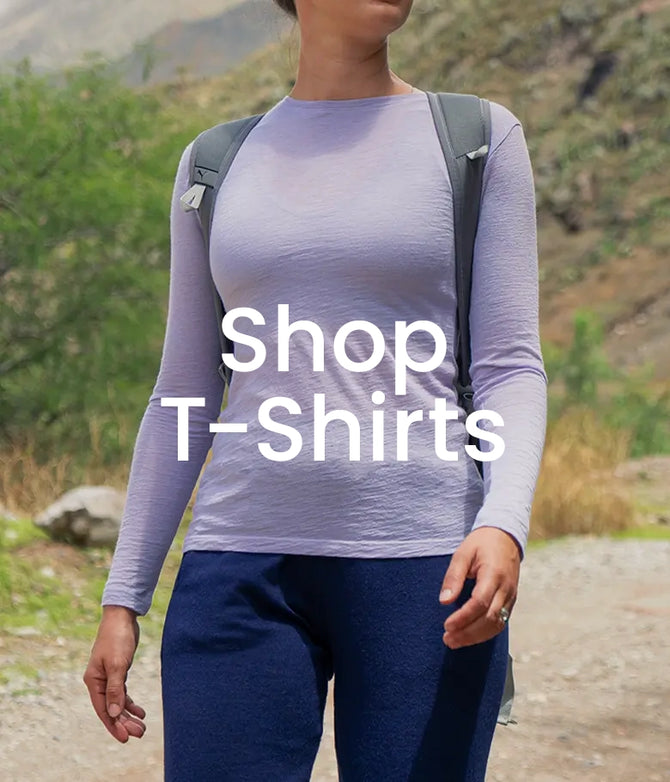



Women's Alpaca Wool Running T-Shirt
160 Ultralight
Crafted from ultralight 100% Alpaca Wool, this Running T-Shirt is designed to keep you cool and dry during your outdoor adventures. The breathable fabric naturally wicks away moisture, while the...
Learn MoreFree Shipping on orders over 200 €
Alpaca vs Merino
Alpaca Wool outperforms Merino.
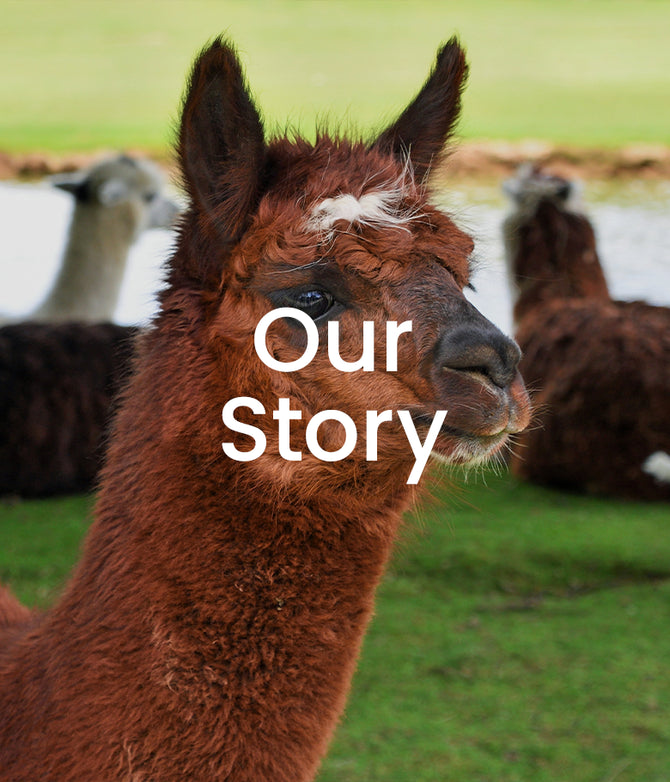
Alpaca fibers evolved in the harsh Peruvian Andes over millennia, to keep you protected on any adventure.
Unique Semi-Hollow Fibers:
• Lighter Weight
• Higher Insulation
Smoothest Fiber Scales:
• Moisture Wicking
• Softer without Felting
High-Performance Fiber
Pack lighter, travel farther.
Get the most out of nature with the ultimate performance fiber. Explore the outdoors clean and dry, with naturally anti-bacterial and temperature regulating Alpaca Wool.
❊ Anti-bacterial & Odor-resistant
↻ High sweat-wicking
☁ High breathability
☀ UV - Protection
✓ Light & durable
Microplastic-Free World
We put a stop to plastic pollution.
It is our mission to make clothes that allow you to explore nature without contaminating it with microplastics.
This is the first step in making our entire catalog petroleum-free and biodegradable.
We use only biodegradable materials:
• 100% Alpaca Wool Fabric
• 100% Cotton Threads
• 100% Cotton Labels
Shipping & Returns
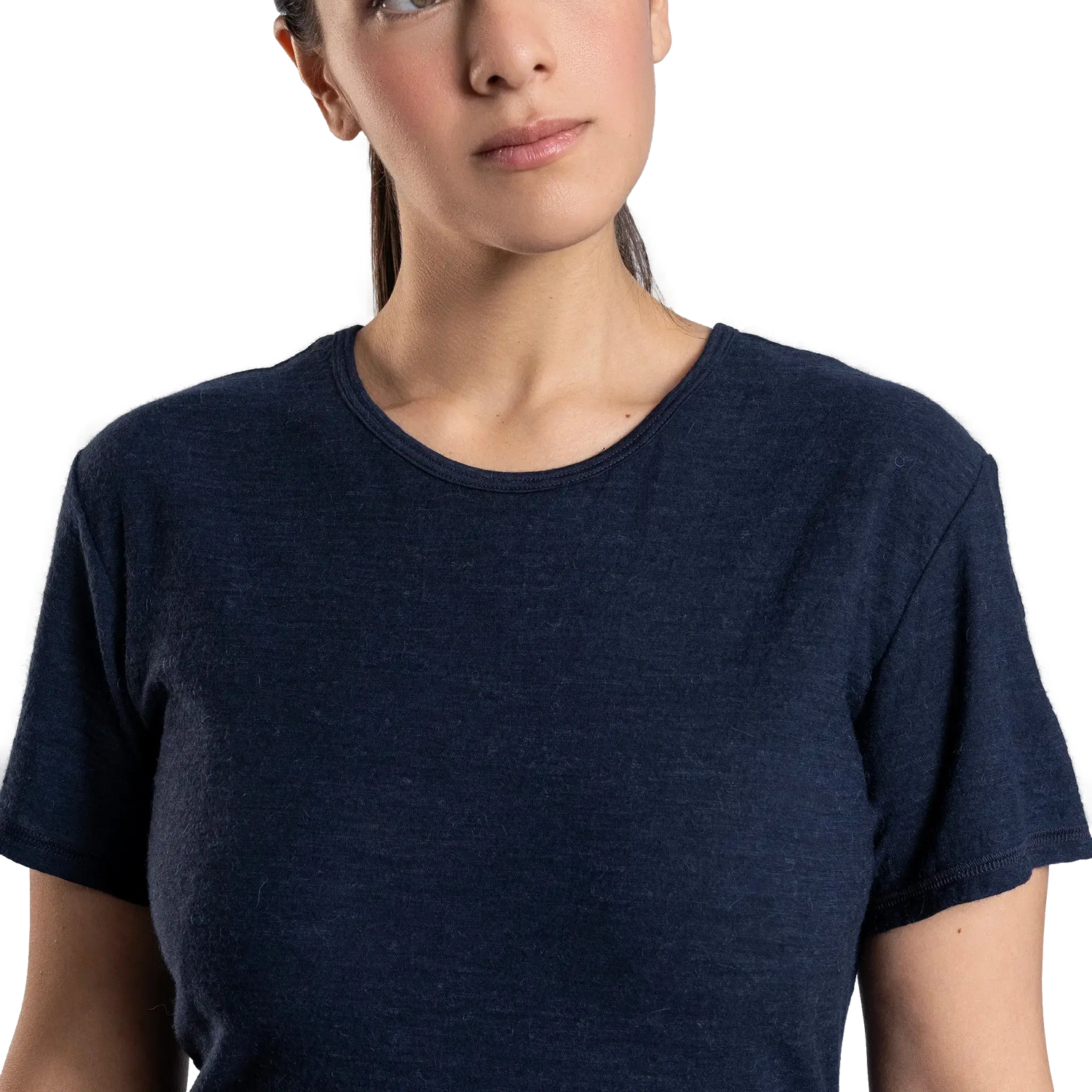
LESS WEIGHT, LESS WASHING
The Perfect T-Shirt for Active Days
Fabric Specs
- PFAS-free
- Crew Neck Shirt Weight: 96 g (Size S)
- Designed for hiking, trail running, climbing, traveling, and backpacking in all seasons
- Fitted cut with a natural stretch
Produktseite - Textilpflege
Stoffpflege
Natürlich gefärbte Kleidung
Natürliche Farbstoffe sind zwar umweltfreundlich, hautschonend und ergeben ansprechende Farben, binden sich jedoch nicht wie synthetische Farbstoffe an die Textilfasermaterialien. Dadurch kann es beim Schwitzen oder Reiben zu leichten Farbveränderungen kommen und die Farben können etwas ausbluten.
Wir empfehlen, naturfarbene Kleidung mit anderer dunkler Kleidung oder Ausrüstung wie Rucksäcken zu kombinieren. Wir empfehlen außerdem, die Kleidung so selten wie möglich zu waschen, um sicherzustellen, dass die einzigartige Farbe möglichst lange erhalten bleibt.
Wenn Sie feststellen, dass Ihre Alpaka-Kleidung gewaschen werden muss:
- Handwäsche oder Maschinenwäsche im Schonwaschgang in kaltem Wasser mit einem Feinwaschmittel/Wollwaschmittel.
- Waschen Sie mit ähnlichen Farben. Der Farbstoff wird das Waschwasser wahrscheinlich färben, aber die Farbe Ihres Kleidungsstücks wird sich nicht ändern.
- Wenn Sie das Kleidungsstück mit der Hand waschen, spülen Sie es in kaltem Wasser aus und drücken Sie das überschüssige Wasser vorsichtig aus.
- Legen Sie das Kleidungsstück zum Trocknen flach hin.
- Bügeln Sie auf einer warmen Stufe, wenn Sie das Bügeln für notwendig halten.
- Bewahren Sie Ihre Kleidungsstücke lieber gefaltet als aufgehängt auf.
Einige Dinge, die Sie vermeiden sollten:
- Verwenden Sie keinen Weichspüler oder Bleichmittel.
- Seien Sie vorsichtig bei der Verwendung von Zitronensäure, da diese auf natürliche Weise pflanzlich gefärbte Stoffe bleichen kann.
- Nicht im Trockner trocknen oder chemisch reinigen.
- Versuchen Sie, den Stoff nicht zu stark zu verdrehen oder auszuwringen.
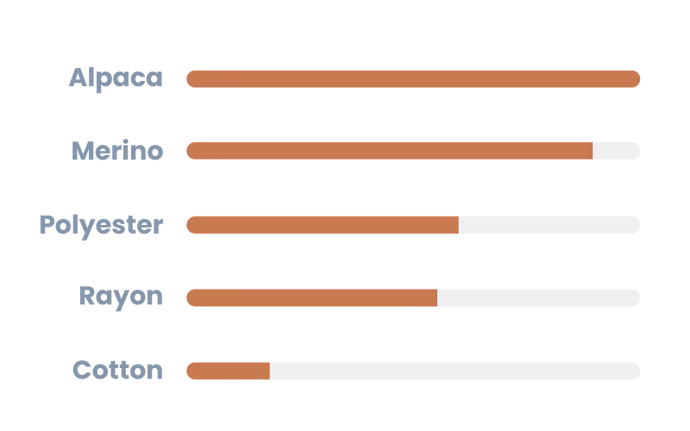
ALPACA WOOL: FIBER OF THE GODS
The Superior Fiber for the Outdoors
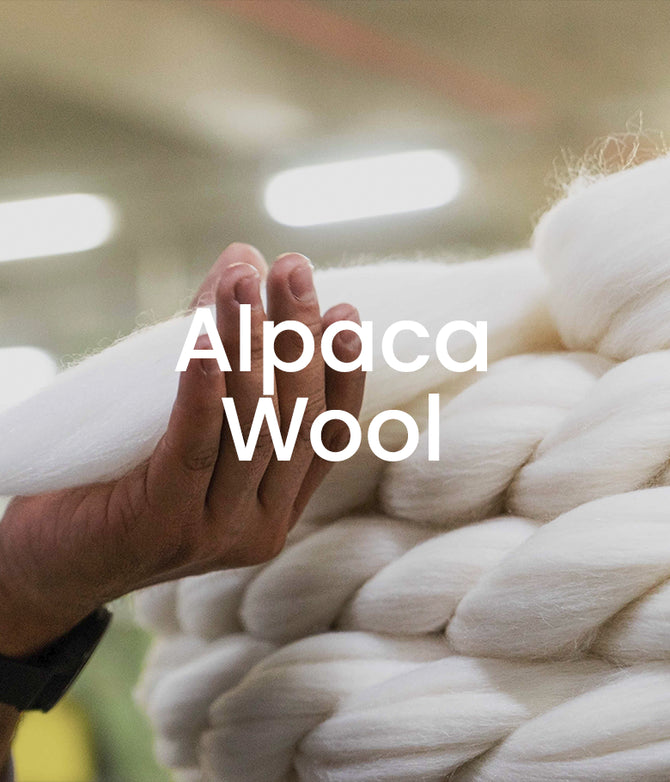
Alpaca wool is a superior choice for the outdoors and outperforms any other fiber: merino wool, cotton, rayon and polyester.

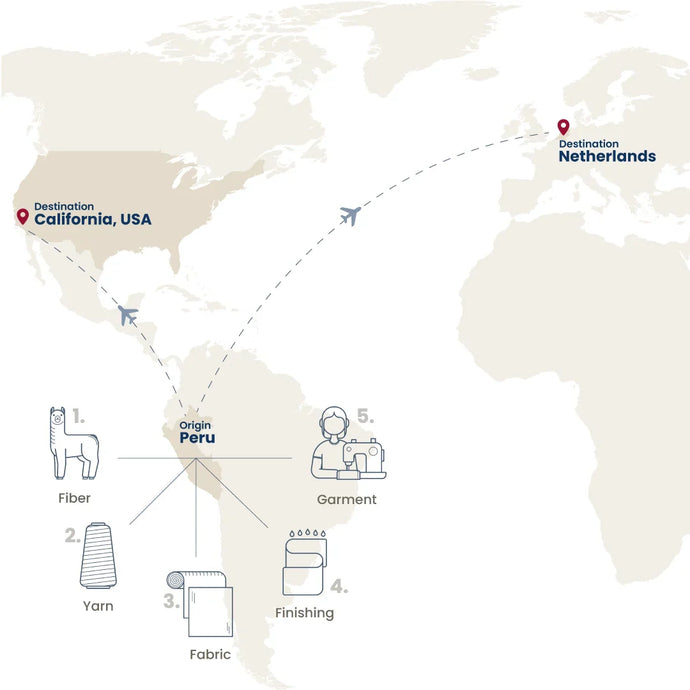
SINGLE ORIGIN SUPPLY CHAIN
Where Was This Shirt Made?
We use natural local resources and a short transparent supply chain. Our mission is to teach you as much as possible about how clothes should be made. Together we can move the fashion industry towards a sustainable future.
Designed & Made in One Country: Peru
Contrary to industry norms, every step involved in making our clothes is done in only one country: Peru, the home of our family. Our production in Peru includes fiber sourcing, yarn spinning, fabric knitting, dyeing, finishing, and garment sewing.
From Peru, our clothes go straight to California or Europe on its journey to you.
Low Carbon Footprint
Manufacturing in one country allows us to greatly reduce our carbon footprint and freight shipping. This is a major step on our journey to becoming a carbon negative company.
Transparency & Traceability
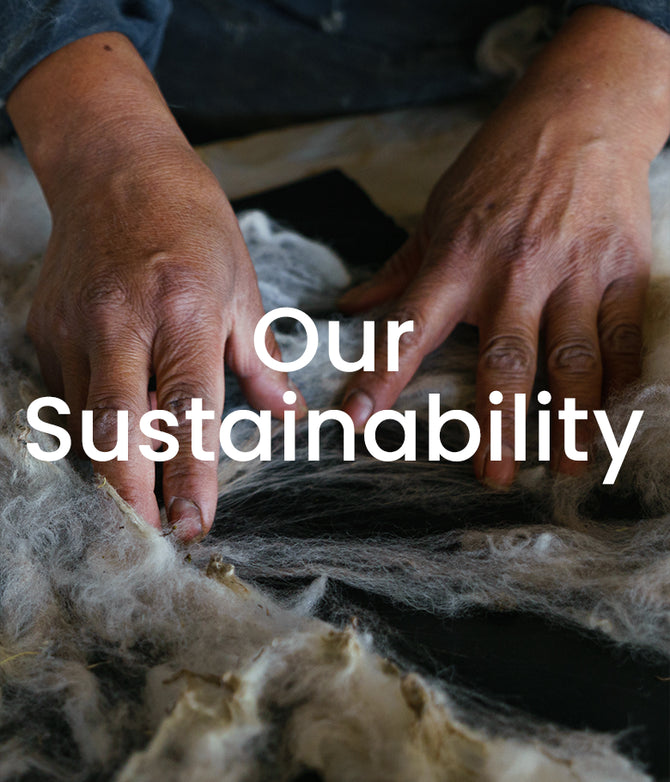
We avoid industrial farming by working with co-op farmers in the Andes. Doing everything in Peru guarantees we know how the alpacas and the workers involved are being treated.